
Blog
How to Plan Tree Pruning on a Malibu Property
Start with the purpose of the work, the condition of the tree and any native-tree requirements before deciding what to cut.
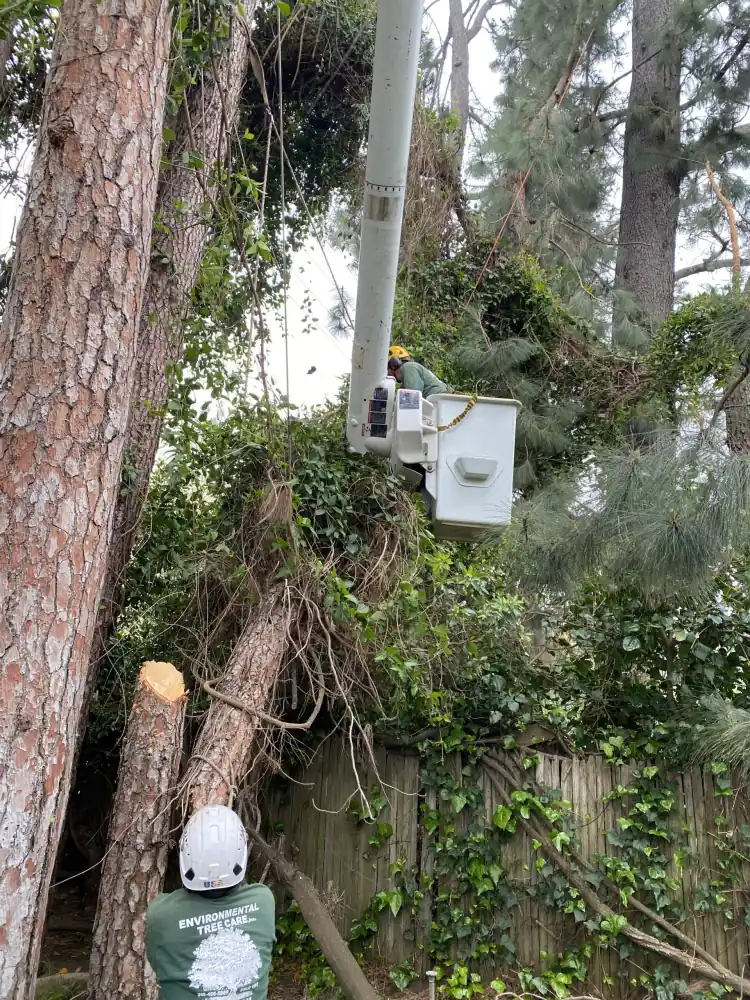
Quick answer: A useful pruning plan starts with a specific objective: address a damaged branch, improve clearance, manage a developing structure or maintain the character of an established tree. The amount and timing of work depend on the species, condition and setting. A calendar reminder alone is not enough to decide that every tree needs the same cut.
On a Malibu property, trees can be part of the view, the shade over a terrace, a boundary between neighbors and the landscape’s overall identity. Planning the work around those roles helps you explain what you want to preserve. The following checklist is a way to prepare for a professional conversation, rather than instructions for climbing or cutting a tree yourself.
What Do You Want the Pruning to Accomplish?
Walk through the property from the places you actually use. Look from the driveway, windows, garden paths and outdoor seating. Write down the issue in ordinary language: a branch is touching a structure, a previously open path feels enclosed, or a particular tree has changed since the last visit. A clear description is more useful than an instruction to make everything smaller.
Separate appearance from a concern about condition. You might want more light on a patio while also noticing a dead-looking limb elsewhere. Those are two different questions. Ask which objective each proposed cut is intended to serve and whether there is a smaller intervention that would achieve the same purpose. Environmental Tree Care’s tree trimming service is a starting point for that discussion.
What Information Should You Bring to the Visit?
Photographs taken from the ground can establish which tree you mean and show how it sits beside a building or neighboring landscape. Keep any photographs from previous years that show a clear change. Note recent construction, irrigation adjustments or major work around the tree, even if you are unsure whether it matters. Those details help frame questions; they do not establish a diagnosis.
If you manage an estate, list the people who need to agree on the scope. A property manager may prioritize access, the owner may prioritize appearance, and a gardener may have useful maintenance history. Collect those views before the visit so that the crew receives one coherent instruction. For property-specific planning, use the Malibu service-area page to start the conversation.
| Your Objective | Useful Question to Ask | Decision to Record |
|---|---|---|
| More clearance | Which branches create the actual conflict? | The specific area to address |
| Maintain appearance | What shape fits this tree and setting? | What should remain unchanged |
| Address damage | What needs closer evaluation? | The next assessment or work step |
| Recurring maintenance | What should be monitored between visits? | A review point rather than an automatic cut |
How Should Species and Condition Influence the Plan?
University of California pruning guidance distinguishes the needs of different trees and the purposes of different pruning practices. The practical implication for an owner is to avoid treating every tree on an invoice as interchangeable. Ask whether the plan is based on the particular tree, its stage of development and the reason for working on it.
A tidy-looking result is only one part of the discussion. Ask what the proposed work is intended to leave behind, how much change you should expect to see, and whether a concern calls for evaluation before a decision. If the desired result is mainly shaping, discuss tree sculpting explicitly so that appearance is considered without confusing it with a separate condition concern.
What Should Be Checked Before Work Is Scheduled?
Identify the property boundary, access arrangements and any work that might overlap with protected-tree or other local requirements. Do not assume a tree is exempt because it stands in a private garden. The companion article on Malibu native-tree planning explains the questions to resolve with the City before you authorize work.
Ask what needs to be moved from beneath the work area, who will be present, how access will be kept available and what cleanup is included. If branches are close to power lines, keep people and equipment away and contact the utility about the situation. A general landscape maintenance appointment is not a reason to approach electrical hazards.
How Do You Compare Two Pruning Proposals?
Compare the scope before comparing the total. Two estimates can use the same word, “trim,” while describing very different work. Ask each provider to identify the trees, the purpose of the work, any exclusions and the cleanup arrangements. Record what is uncertain rather than silently allowing a different assumption on each quote.
It also helps to distinguish pruning from tree removal. A concern does not automatically make removal the right answer, and a desire for less maintenance does not explain what will happen to the rest of the landscape. Ask for the options to be described separately so you can make a considered decision.
What Happens After the Work?
Keep the agreed scope and a few ground-level photographs with the property’s maintenance records. Note questions to revisit rather than attempting to judge the tree from a single freshly finished view. If several people manage the site, make sure the same person records the outcome and passes on any instructions from the provider.
Environmental Tree Care brings over 30 years of Malibu tree-care experience to conversations about trimming, pruning and estate maintenance. Contact the team at 310-456-5969 to discuss your trees and request a free quote. Explain the result you want, what has changed and any approval questions you are still resolving.
Sources
FAQ
Common Questions
Still have questions? Call us any day and ask.
Does every tree need pruning every year?
No single interval fits every tree. Discuss species, condition, previous work and the purpose of pruning before agreeing on a schedule.
Should I send photographs before a visit?
Ground-level photographs can help explain the location and concern. They do not replace an on-site assessment.
Can a quote settle permit requirements?
A quote describes proposed services. Confirm applicable property and tree approvals with the relevant authority before work.
More articles
-
Before You Trim or Remove a Native Tree in Malibu
Identify the tree and gather property records before planning work that may require City approval.
Read more -
Dry-Weather Tree Care: Questions to Ask Before Changing the Routine
Gather irrigation history and site observations before adding water, feeding or pruning.
Read more -
How to Keep an Estate Tree-Care Record That Is Actually Useful
A simple tree map, dated observations and a clear work history help everyone managing the property.
Read more
Get In Touch
Ready to Get Started?
If this sounds like your situation, we can help.